In this edition of our HR Leader Spotlight, we’re delighted to speak with Lydia O’Donnell, a seasoned HR professional whose strategic vision and commitment to people-centric leadership have distinguished her career in human resources.
Drawing on extensive experience across healthcare and the pharmaceutical sector, Lydia has built a career focused on developing people, strengthening organisational culture and aligning HR strategy with business goals. Throughout her journey, she has championed professional development, employee engagement and strong leadership capability. In this interview, Lydia shares insights on her career path, the value of mentorship, the evolving role of HR professionals, and why fostering both individual and team development is key to long-term organisational success.
Q1. Was this the career path you had always planned? What avenues did you take to bring you to where you are today?
I always had a strong interest in working with people, but my career in HR evolved by embracing the opportunities that came my way. I originally studied education with a particular interest in training, development and adult learning. At that time, I imagined my career would focus on facilitating training and working in learning and development roles.
After moving to Ireland and completing a Personnel Practice Certificate, I transitioned into HR, which opened the door to a more generalist career path. I spent 16 years working in HR within the public healthcare sector, where I gained broad experience across multiple HR functions. Working in a large hospital environment allowed me to develop a well-rounded understanding of HR, from recruitment and employee support to operational processes and organisational initiatives.
During one period working in Learning & Development, I realised that while I enjoyed facilitating training, I was most energised by roles that offered greater variety, combining projects, operational responsibilities and people leadership. That led me back into HR operations, where I gradually progressed into HR business partnering roles.
Another passion of mine has always been leading and developing teams. Supporting the growth of people, both employees and fellow HR professionals, is something that truly motivates me. For that reason, I seek roles where I can combine strategic HR work with developing individuals and teams.
My transition into the pharmaceutical and private sector gave me the opportunity to build on my public sector experience while contributing to a growing organisation. In my current role at Grifols, I have been able to help build the HR function, grow the team and focus on developing an HR strategy aligned with organisational goals.
Ultimately, HR is about listening, empowering others and equipping managers to support their teams effectively. While some aspects of the role can be transactional, the true impact of HR comes from putting people at the centre of organisational success.
HR professionals have access to a significant amount of sensitive information, and maintaining trust is fundamental to the role. That sense of integrity and discretion is something that has stayed with me throughout my career.
Q2. What was the best piece of career advice you ever received?
Throughout my career, I’ve been fortunate to have mentors who have supported and inspired me at different stages of my development. Early in my career, one of the most important lessons I learned was the importance of confidentiality and professionalism in HR. HR professionals have access to a significant amount of sensitive information, and maintaining trust is fundamental to the role. That sense of integrity and discretion is something that has stayed with me throughout my career.
As I progressed, mentors encouraged me to stay flexible and open to opportunities, even if they seemed outside my immediate role. Often, the projects or challenges that stretch you the most are the ones that lead to the greatest growth. More recently, leadership advice has focused on connecting with your values and believing in your own capabilities. A message that has always resonated with me is to believe in yourself and not allow others’ doubts or comments to undermine your confidence.
Q3. For those considering a career in Human Resources, what is one piece of advice you would give them?
HR is a diverse and evolving profession that covers many different areas, from employee relations and talent development to strategy and organisational culture. My advice would be to remain curious and open to learning. Explore the different aspects of HR to discover what interests you most and where your strengths lie.
It’s also important to give yourself time to grow in each role. Early in your career, it can be tempting to focus on the next promotion, but developing strong foundations is essential. Take the time to learn the role well, understand the processes and develop your expertise before moving on. Confidence is important, but humility and self-awareness are equally valuable. None of us ever truly know everything, and continuous learning is a key part of working in HR.
Finally, don’t be afraid to take on opportunities that push you outside your comfort zone. Those experiences often lead to the most meaningful development.

Q4. In your view, what are the top 3 strengths that define a successful HR professional today?
The skills required in HR often evolve as you progress through your career, but there are several core strengths that remain essential. Agility is critical, as HR professionals must adapt to changing legislation, organisational needs and workforce expectations. A strong people focus is also fundamental. HR professionals must be able to listen actively, understand employee perspectives and support managers in building effective teams.
Finally, strong organisational and problem-solving skills are essential. HR frequently operates in complex situations where there may not be a single clear answer. Being able to listen carefully, think creatively and find balanced solutions is key. Ultimately, HR professionals must combine strategic thinking with empathy and sound judgement.
Q5. Over your career, what would you consider to be your best memory or achievement?
One of the most meaningful experiences of my career was contributing to the COVID-19 vaccination rollout for frontline hospital staff. Hospitals were given only a short timeframe to organise vaccination clinics once the vaccines arrived, and it required significant coordination across multiple departments, including HR, leadership teams, pharmacy, IT and clinical staff. Being involved in supporting and registering staff for the vaccination programme was incredibly rewarding. It was a challenging and emotional time for healthcare workers, and seeing everyone come together with a shared purpose was truly inspiring. It remains one of the highlights of my time working in the hospital environment.
In my current role, I am particularly proud of the work we have done around culture and employee engagement. Over the past few years we have invested in initiatives such as leadership development programmes, management training and engagement activities aimed at strengthening our workplace culture. Last year, I was also shortlisted for the Best HR/Finance Leadership Award, recognising my work leading and developing the HR team at Grifols Dublin. Being nominated was a wonderful affirmation of the team’s dedication and the positive impact of our work.
At the core of everything I do professionally is the desire to make a meaningful impact on people and organisations.
Q6. If you were entering the workforce again, would you do anything differently?
Looking back, I’m very happy with the career path I’ve taken. There were times when I focused more on my family and other periods when my career took centre stage. I believe it’s important to recognise that careers naturally move through different phases, and that’s completely normal. My advice would be to embrace each stage of your journey. There is time for both personal and professional priorities throughout your career. Ultimately, a career is not a destination, it’s a long and evolving journey.
Q7. If you weren’t in your current profession, what possible path would you have chosen?
If I hadn’t pursued HR, I would likely have followed a career more closely aligned with training and development. Currently, I am also continuing to develop my coaching skills, having completed a diploma in coaching. My long-term goal is to pursue further accreditation and integrate coaching more deeply into my work. Coaching allows me to support individuals in their development, helping them build confidence, reflect on their goals and unlock their potential. It aligns strongly with my values and my passion for helping people grow. At the core of everything I do professionally is the desire to make a meaningful impact on people and organisations. Whether through HR leadership, culture initiatives or coaching, that focus on people will always remain central to my career.
Thank you Lydia O’Donnell, for sharing your experiences in our HR Leader Spotlight. We appreciate your thoughtful reflections on professional development, leadership and the evolving role of HR in today’s organisations. Lydia’s journey underscores the importance of continuous learning, a people-centred approach and a commitment to fostering growth at every level, lessons that will surely inspire HR professionals and leaders alike.
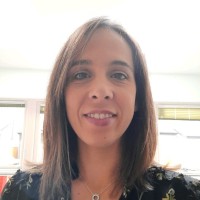
Lydia O’Donnell
Senior Human Resources Manager
Grifols Worldwide Operations Limited (GWWO)